Finding a Commercial Demolition Provider to Help Expand and Renovate
Demolition is often the first major step in construction, renovation, and land development projects. Whether removing an outdated structure, clearing storm-damaged buildings, or making room for new commercial use, safe and efficient removal is essential. Homeowners, business owners, and developers rely on trained professionals to manage the process, mitigate hazards, and coordinate the necessary permits and disposal methods. Choosing the right company can make the difference between a smooth project and costly delays. To feel confident about a planned structure removal, it helps to understand what a reliable provider offers and what considerations should guide your decision.
A professional approach ensures that old materials are removed properly, nearby structures remain protected, and all local guidelines are followed. Because demolition requires specialized expertise, heavy machinery, and careful planning, selecting a qualified team is one of the most important decisions you will make before any new construction begins.
Verifying Licensing, Insurance, and Compliance Expertise
The safest first step when hiring professionals is confirming that they possess the correct licensing, training, and insurance coverage. Demolition involves structural risks, debris hazards, and possible environmental concerns. Without proper certification, workers may not understand how to assess building integrity, identify unsafe conditions, or respond appropriately during emergencies. When evaluating companies, homeowners, and contractors should always request proof of current licenses and certifications.
Insurance coverage is equally critical. Liability and workers’ compensation policies protect both the crew and the property owner if damage or injuries occur on-site. A reputable contractor will have no hesitation in providing this documentation. If a company cannot demonstrate insurance, the risk shifts to the property owner, which can lead to financial and legal consequences if an accident takes place.
Compliance with local laws is another essential qualification. Demolition generates a significant amount of debris and must follow strict removal and disposal regulations. According to the EPA, demolition accounts for more than 90% of total construction and demolition debris generation, while construction activities make up less than 10%. This emphasizes the importance of selecting professionals who understand how to safely handle and redirect waste. Licensed contractors know which materials can be recycled, which require special handling, and how to document disposal in accordance with state and municipal guidelines.
Choosing a compliant demolition provider reduces liability and protects the environment while ensuring that every step of the project meets official standards.
Reviewing Services, Project Capabilities, and Specialized Equipment
Every property has unique structural features, and a qualified provider should have experience working with a wide range of buildings. Before choosing a team, it is essential to verify that they have completed similar projects. Residential demolition might involve removing a garage, single-family home, or pool area, while commercial demolition may include warehouses, offices, or industrial structures. The right company will be able to explain the types of equipment required, projected timelines, and potential challenges that may arise during the process.
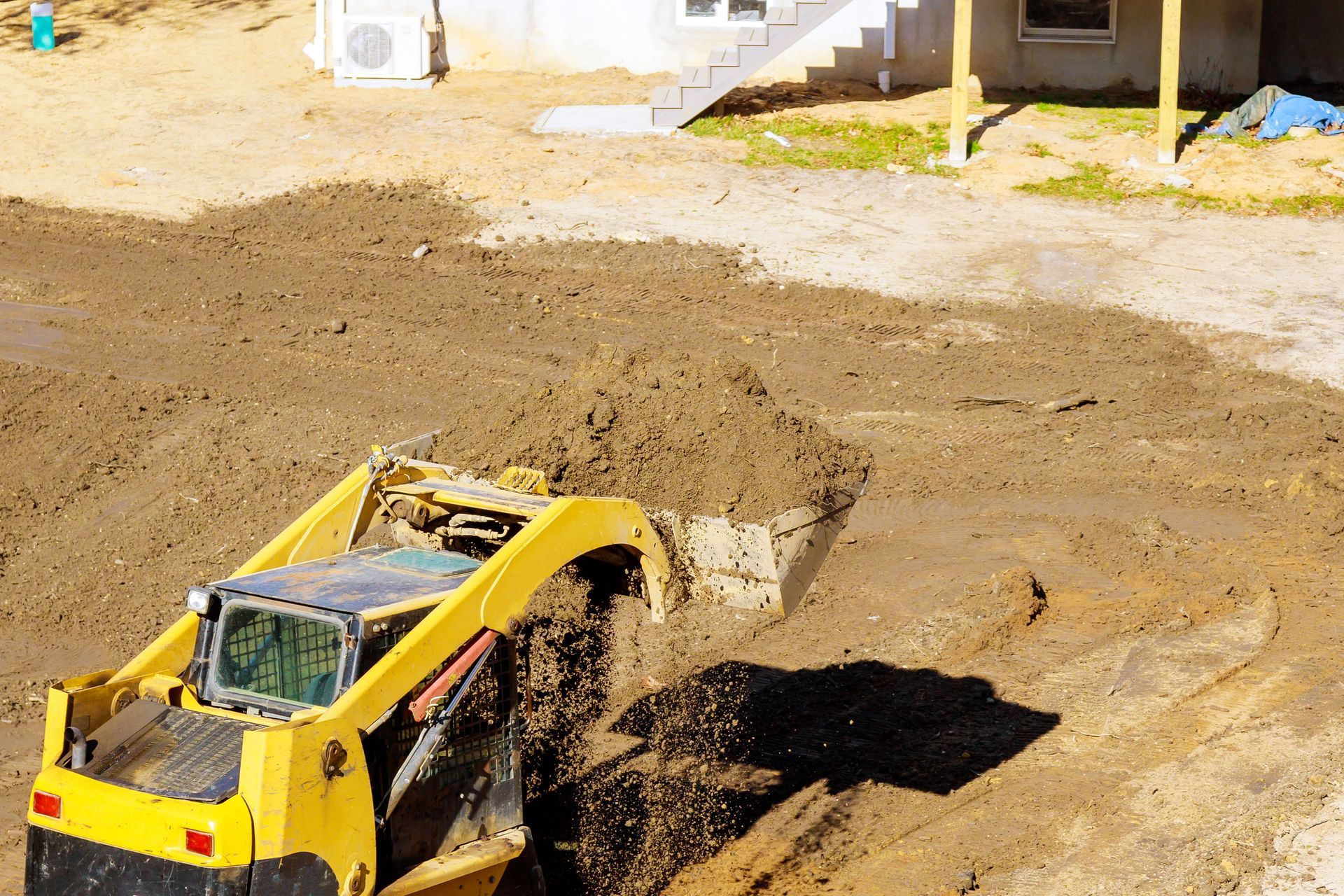
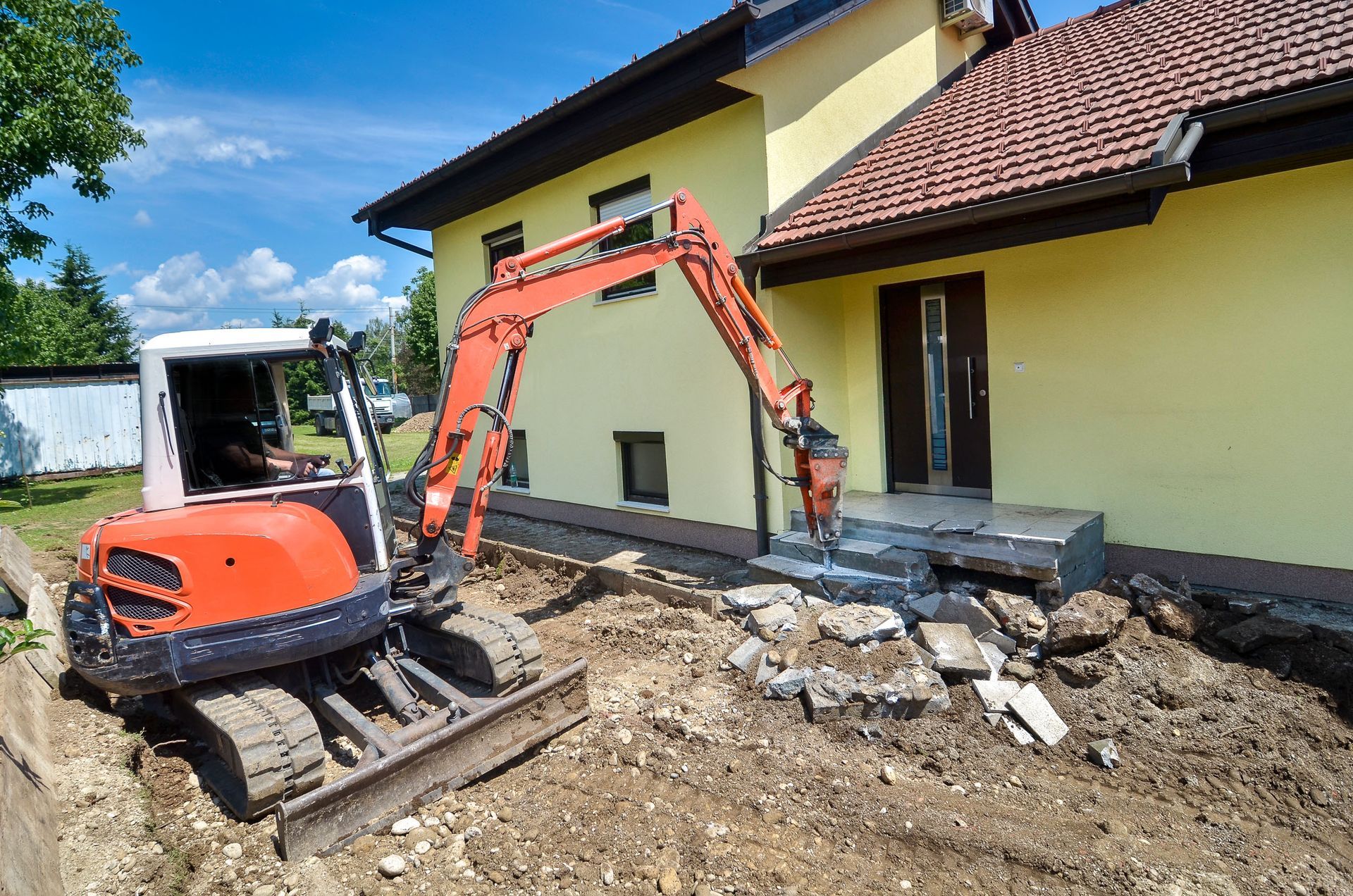
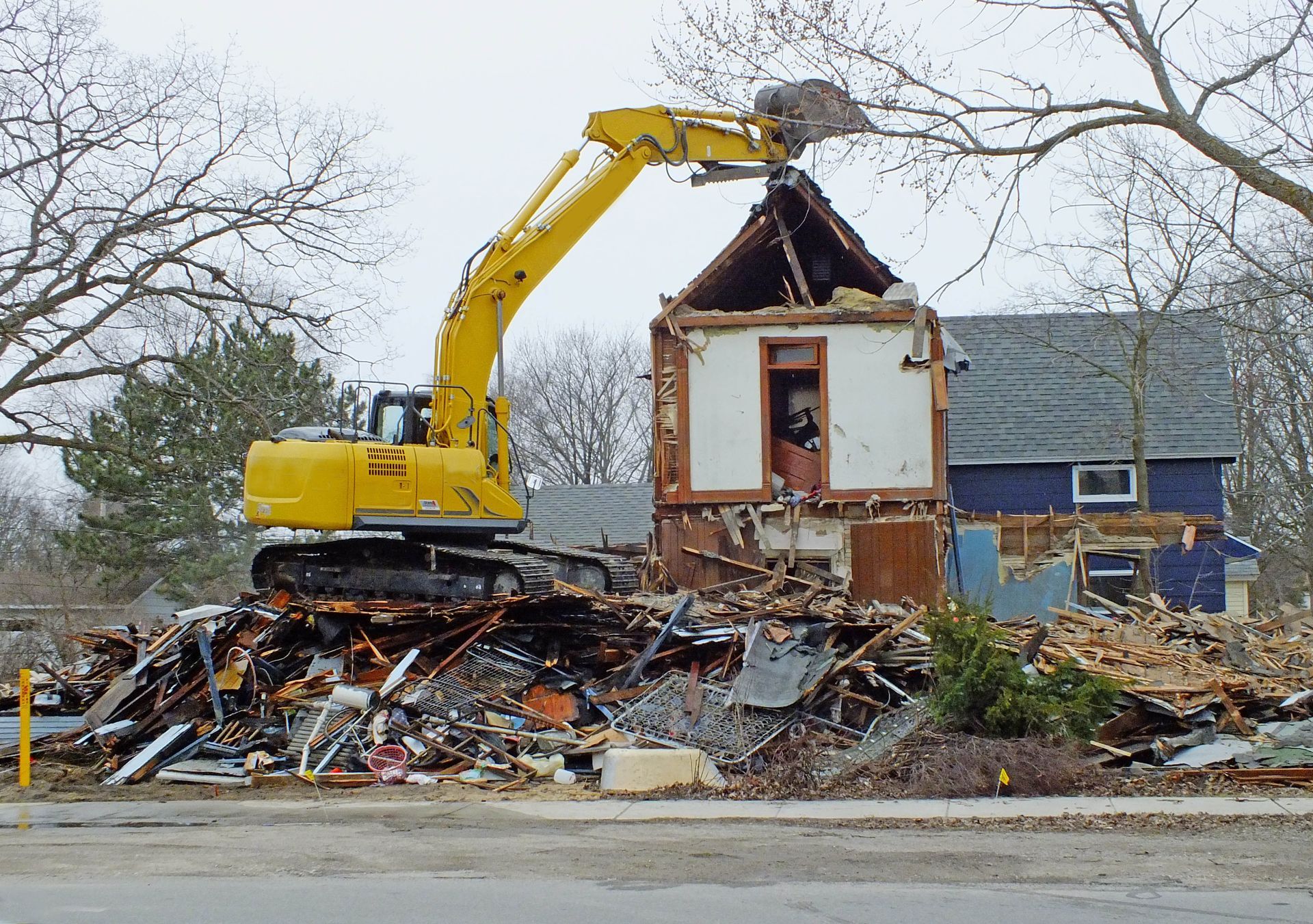
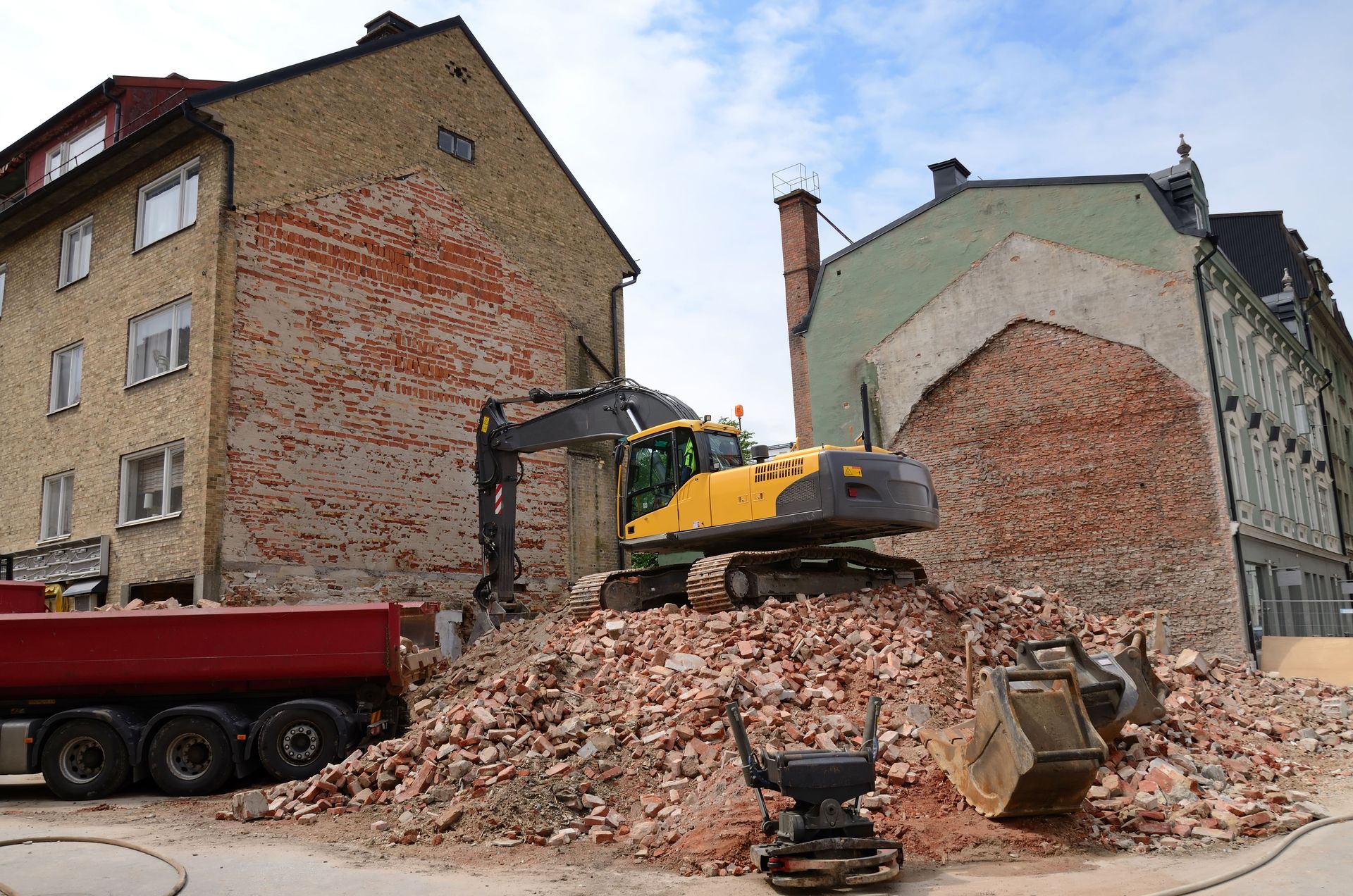
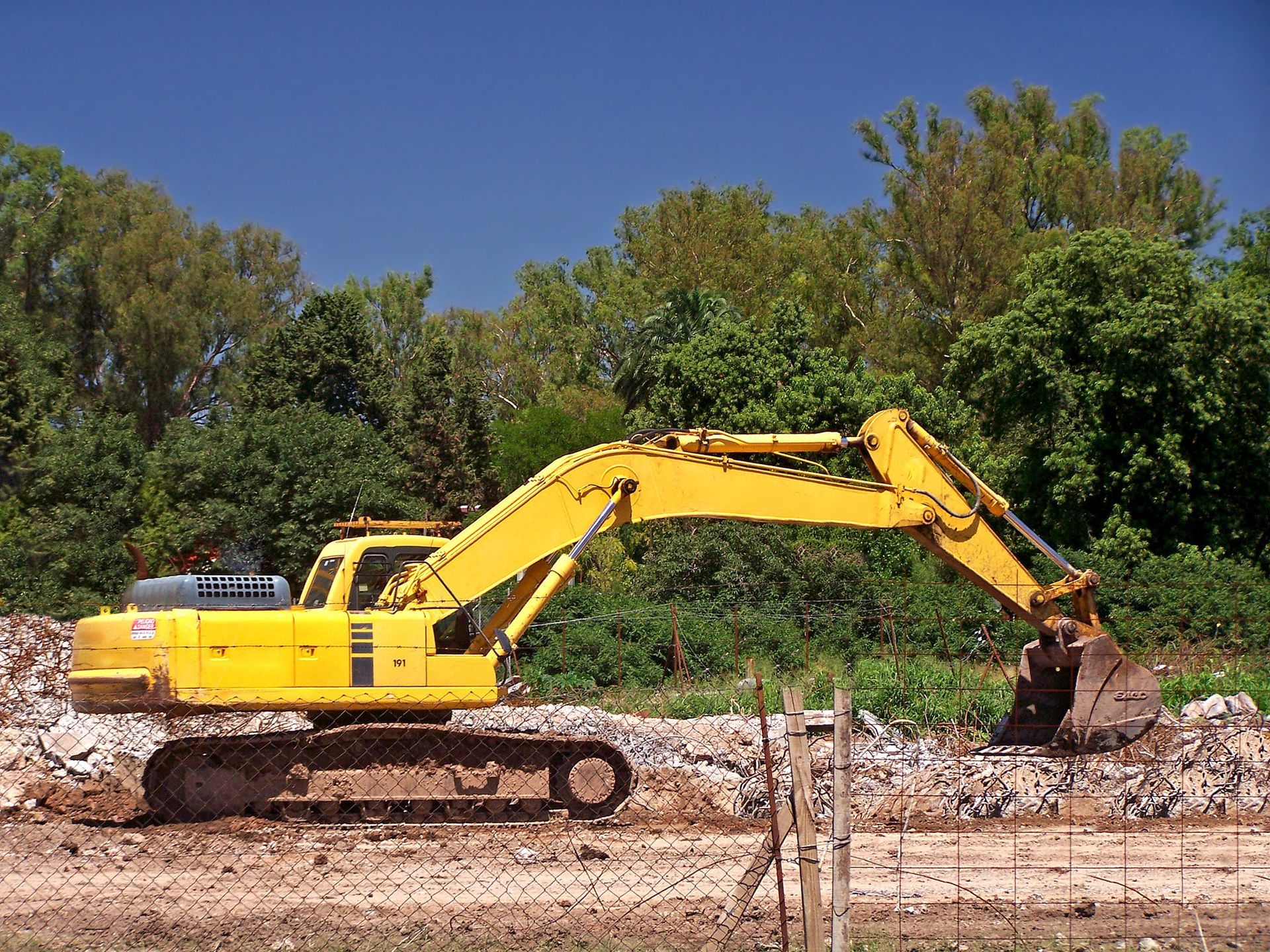
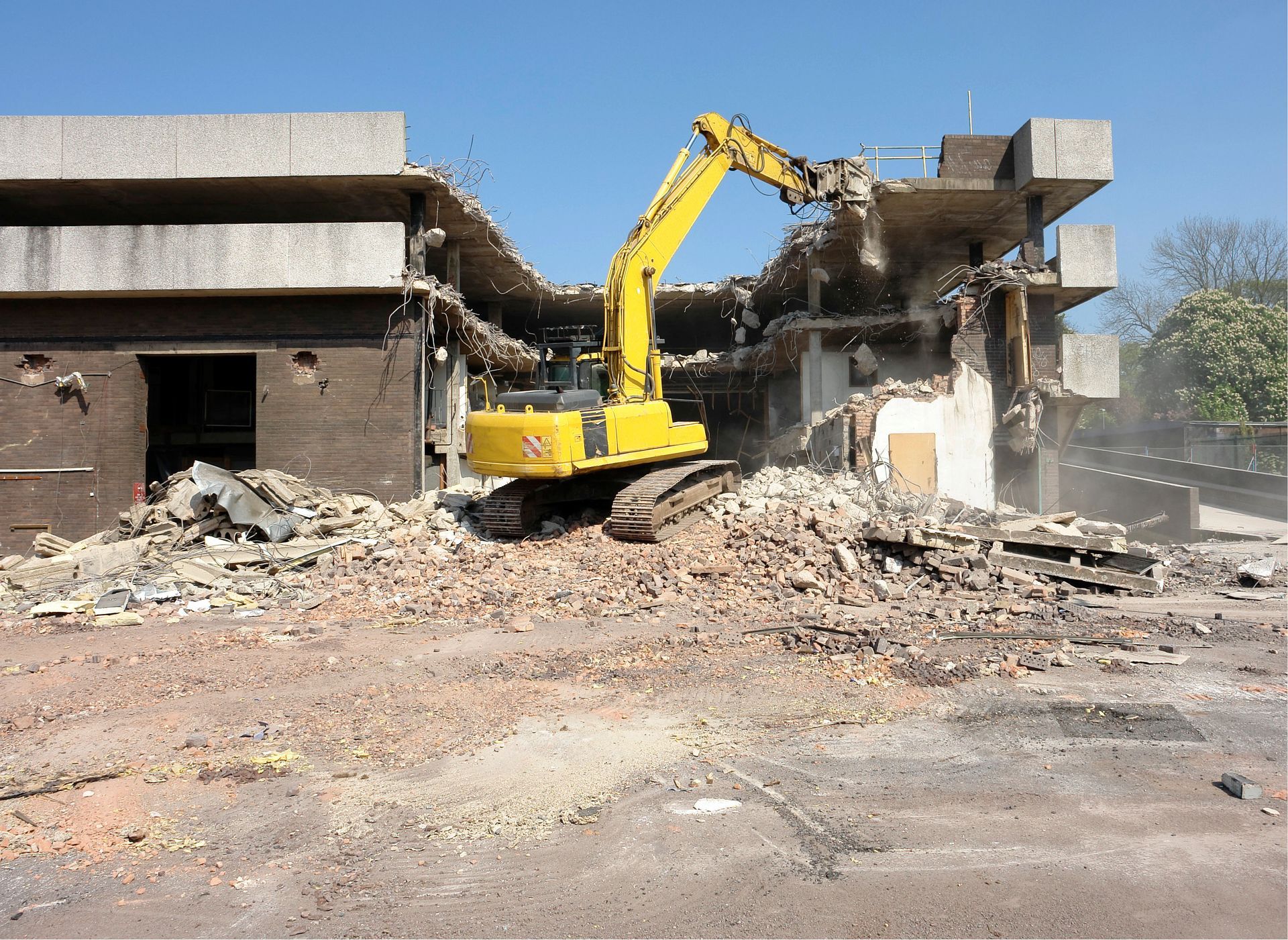
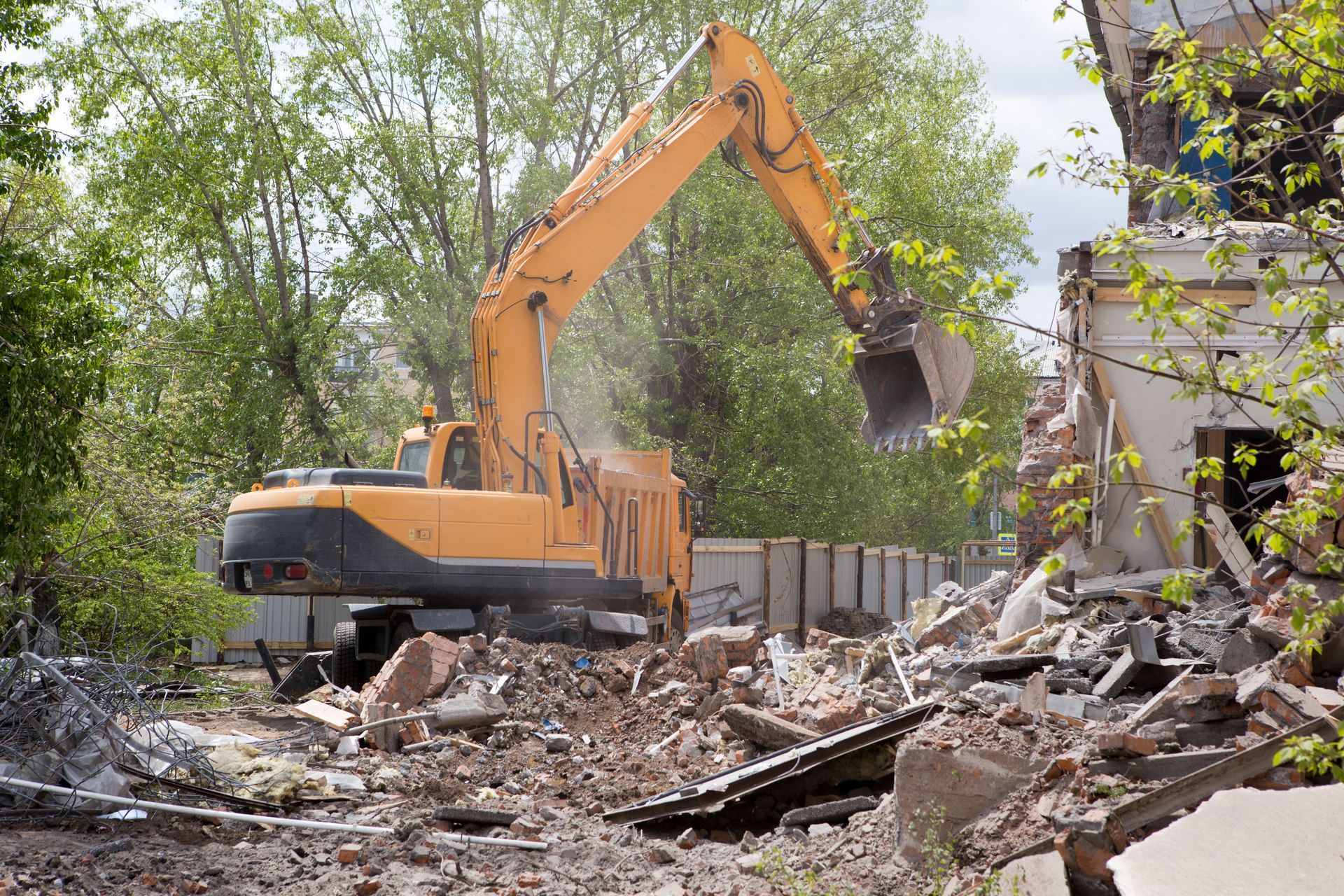
Powerful machinery such as excavators, cranes, concrete breakers, and haul-away trucks is common in demolition. A professional crew is trained on how to operate each piece of equipment safely and efficiently. Skilled operators understand weight distribution, collapse mechanics, and how to manage sections of a building to prevent debris from falling in unsafe ways. For properties located near roads or neighboring structures, this precision is especially important to avoid collateral damage.
In some cases, selective demolition is needed. Instead of removing an entire building, crews may need to preserve structural components, historical features, or foundation elements. For instance, a business converting a retail space might only require interior partitions and flooring removal. A provider offering broad capabilities can tailor its approach to each project while minimizing disruption and cost. When researching options, ask about specialties such as interior demolition, debris hauling, land clearing, or preparation for utilities. Comprehensive service offerings ensure that fewer contractors are needed, reducing delays and miscommunication.
Prioritizing Safety Procedures and Environmental Protection
Safety is one of the most important aspects of demolition work. A responsible company will be proactive in implementing safety protocols instead of responding reactively to hazards. Before any removal begins, representatives should perform a thorough site evaluation. This includes identifying unstable walls, hazardous materials, the presence of underground lines, and any structural weaknesses that could lead to collapse during work.
A detailed safety plan should be clearly communicated to property owners and all crew members involved. Personal protective equipment, like helmets, gloves, protective eyewear, and steel-toe boots, is standard. Depending on the structure, specialized gear may be required to protect against dust, chemicals, or airborne particulates.
Environmental awareness is especially crucial. Older buildings frequently contain materials such as asbestos, lead-based paint, or mold. If these substances are disturbed without proper containment, they can pose significant health risks. Professional demolition contractors know how to identify regulated materials and follow appropriate abatement procedures to prevent contamination. They also understand how to minimize noise pollution, vibration, and particulate spread, safeguarding nearby homes and businesses.
Responsible disposal and recycling are additional markers of a committed company. Many materials—from concrete to metal—can be reclaimed instead of sent to landfills. Asking about waste-diversion practices allows property owners to support environmentally conscious efforts while ensuring regulatory compliance.
Evaluating Estimates, Communication, and Project Planning
A well-planned demolition project begins with clear communication and a detailed estimate. Transparent pricing should outline the costs of labor, permits, equipment usage, hauling, disposal, and any specialized work such as hazardous material handling. Reputable companies will conduct site visits before generating formal proposals, allowing them to assess access conditions, structure size, and potential complexities.
Once hired, a professional contractor will create a structured project plan. This includes start and completion dates, daily work schedules, and careful coordination with other contractors such as builders, electricians, or surveyors. When planning is collaborative, each phase progresses efficiently and without confusion.
Communication continues during the entire process. Homeowners and project managers appreciate updates on progress, changes in scheduling, or unexpected findings that may affect cost or completion. Having a designated point of contact ensures questions are answered quickly and clients feel informed rather than uncertain.
As part of the planning stage, providers must secure necessary city permits before work begins. Reputable professionals take responsibility for permit applications and inspections rather than leaving those tasks to clients. These approvals help verify that demolition plans are safe and comply with local laws.
Considering Reputation, Experience, and Customer Confidence
When selecting a demolition partner, reputation is a strong indicator of quality. Reading reviews, requesting references, and asking for examples of past projects help confirm a provider’s reliability. Companies with a proven track record demonstrate accountability, professionalism, and care for customer satisfaction.
Experience plays a major role in smooth execution. An established contractor has encountered a variety of conditions and understands how to adapt to unforeseen challenges such as underground obstructions or structural irregularities. They also possess extensive knowledge of best practices to minimize risks and maximize efficiency throughout the project.
Many property owners appreciate working with companies that offer strong customer service. A demolition team should respect neighboring properties, follow appropriate noise guidelines, and clean up debris promptly once work is finished. When the project concludes, the area should be cleared and ready for the next stage of development without residual hazards.
Building a long-term relationship with a trusted contractor can be beneficial for future remodeling, expansion, or construction needs. A reliable team becomes familiar with your property, making future planning and service easier. When clients feel confident in the professionals they hire, the demolition process becomes less overwhelming and far more productive. Call Matt Hammond Site Solutions Inc today to schedule your demolition service.


Share On: