Ways Retaining Walls Improve Drainage and Water Control
Retaining walls are a crucial feature in landscape and construction projects, serving a vital role in improved drainage and water control. These structures are not only functional but can also add aesthetic value to any property. While the basic principle of a retaining wall is simple, the complexities involved in their design and implementation make it paramount to consult with a retaining wall contractor. Their expertise ensures that the retaining wall is constructed to meet the specific needs of your property and environment.
In urban and suburban areas, effective drainage systems are essential to prevent water-related damages and soil erosion. Retaining walls offer a proactive solution by diverting water away from structures and into designated areas where it can be properly managed. This is particularly important in areas prone to heavy rainfall where natural drainage might be insufficient.
Consulting a retaining wall contractor brings about numerous advantages. Professional contractors are trained in assessing the particular aspects of your land — such as soil type, weather patterns, and existing drainage systems — to devise the most effective strategy for water control. From design to installation, every step is critical, ensuring the system will be reliable for years to come.
How Do Retaining Walls Improve Drainage?
Role in Water Diversion
Retaining walls are particularly adept at diverting water to prevent it from pooling in unwanted areas. They are strategically designed to direct water flow away from structures, paths, and other sensitive areas that can suffer from water damage. This redirection helps in maintaining the integrity of property foundations and landscape features. As such, retaining walls are an essential element in comprehensive water management plans crafted with the help of a retaining wall contractor.
By altering the natural slope of a terrain, retaining walls effectively guide water toward designated drainage points. This controlled flow reduces the risk of water infiltration into basements, crawl spaces, and other structures. Additionally, retaining walls contribute to preventing roadside erosion by ensuring that precipitation is smoothly channeled into stormwater systems. The benefits of this redirection are maximized when a professional retaining wall contractor ensures proper installation.
With their expertise, retaining wall contractors can tailor water diversion strategies to the unique characteristics of your property. Crucial decisions around materials and design further optimize the wall’s ability to manage water. Integrating additional drainage solutions, such as French drains or weep holes, into the structure increases its efficiency and longevity, offering homeowners peace of mind during intense rainy seasons.
Prevention of Soil Erosion
Soil erosion can have detrimental effects on both residential and commercial properties. Retaining walls play a pivotal role in preventing this natural process by holding back soil and stabilizing slopes. This stability is essential in areas prone to landslides or where properties are built on steep terrains. According to LawnStarter, retaining walls exceeding 4 feet in height often require a permit, underscoring their significance and the need for professional assessment.
A retaining wall contractor understands the importance of proper wall placement to maximize erosion prevention. These structures are especially beneficial in coastal areas or places subject to high levels of rain. By maintaining soil in place, they reduce the threat of landslides, which can cause significant damage and even threaten lives. Furthermore, retaining walls enhance land usability, allowing for landscaping and gardening initiatives on terrains that otherwise would be inhospitable.
On sloping lands, runoff can quickly wear down exposed soils, but a well-constructed retaining wall disrupts this process. Materials like concrete and stone, often recommended by contractors, are highly effective in withstanding the forces of erosion. Additionally, the inclusion of vegetation in these structures not only adds beauty but also assists in stabilizing the soil as roots bind soil particles together.
What Types of Retaining Walls are Best for Water Control?
Gravity Retaining Walls
Gravity retaining walls rely on their mass and weight to prevent soil erosion and manage water runoff. Constructed using heavy materials such as stone or concrete, these walls are an effective solution for water control. Their design naturally diverts water, protecting landscapes and buildings from adverse effects. As these walls typically do not require reinforcements, they often serve as a cost-effective option.
Because of their structural simplicity, gravity walls are suitable for a variety of applications, particularly in smaller gardens or residential projects. A retaining wall contractor would recommend them in areas low in slope but needing reliable erosion control. Nonetheless, these walls might require some additional features to improve their drainage capabilities, such as drain pipes or gravel backfilling, to enhance their effectiveness.
An essential aspect of building gravity walls is proper foundation and footings, as these provide the necessary stability. A qualified retaining wall contractor ensures that these specifications are met to prevent the wall from shifting or tilting over time. Correct placement, considering soil conditions and water flow patterns, is crucial and best entrusted to a professional.
Concrete Cantilever Retaining Walls
Cantilever retaining walls utilize reinforced concrete and leverage their structural design to resist failure. By employing a cantilever shape, these walls use the pressure of soil against the wall to stabilize themselves. Not only are they effective for water control, but they also support greater heights than gravity walls, making them suitable for managing larger soil masses. Their sturdy construction is ideal for residential and commercial projects where both aesthetics and function are critical.
Constructing a cantilever wall requires careful planning to ensure adequate load distribution and drainage elements. Retaining wall contractors play a vital role in executing these projects correctly. They focus on reinforcing structural elements to prevent cracking or bending under pressure, enhancing not only the wall's strength but also its durability over time.
What Materials are Most Effective for Building Retaining Walls?
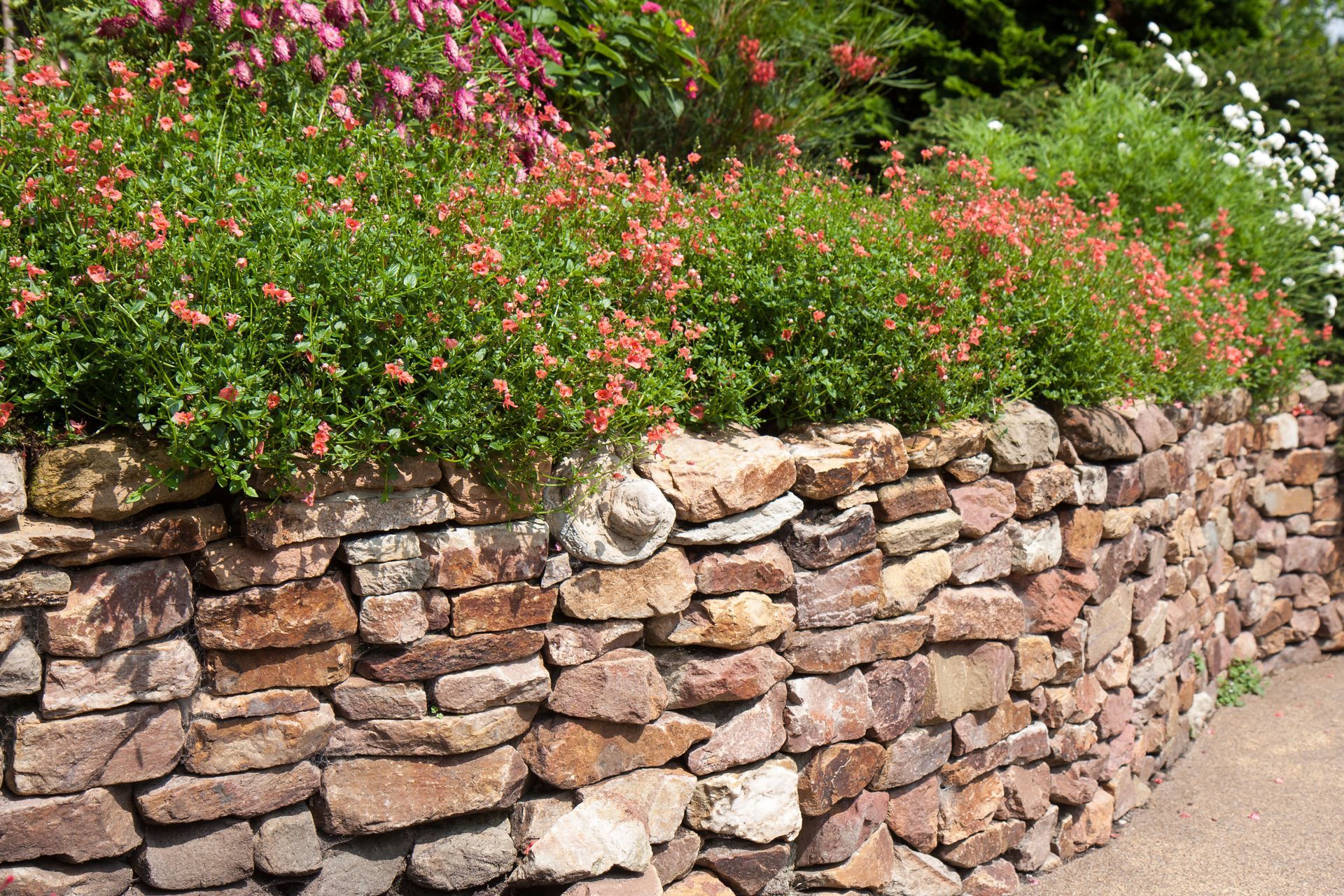
Natural Stone
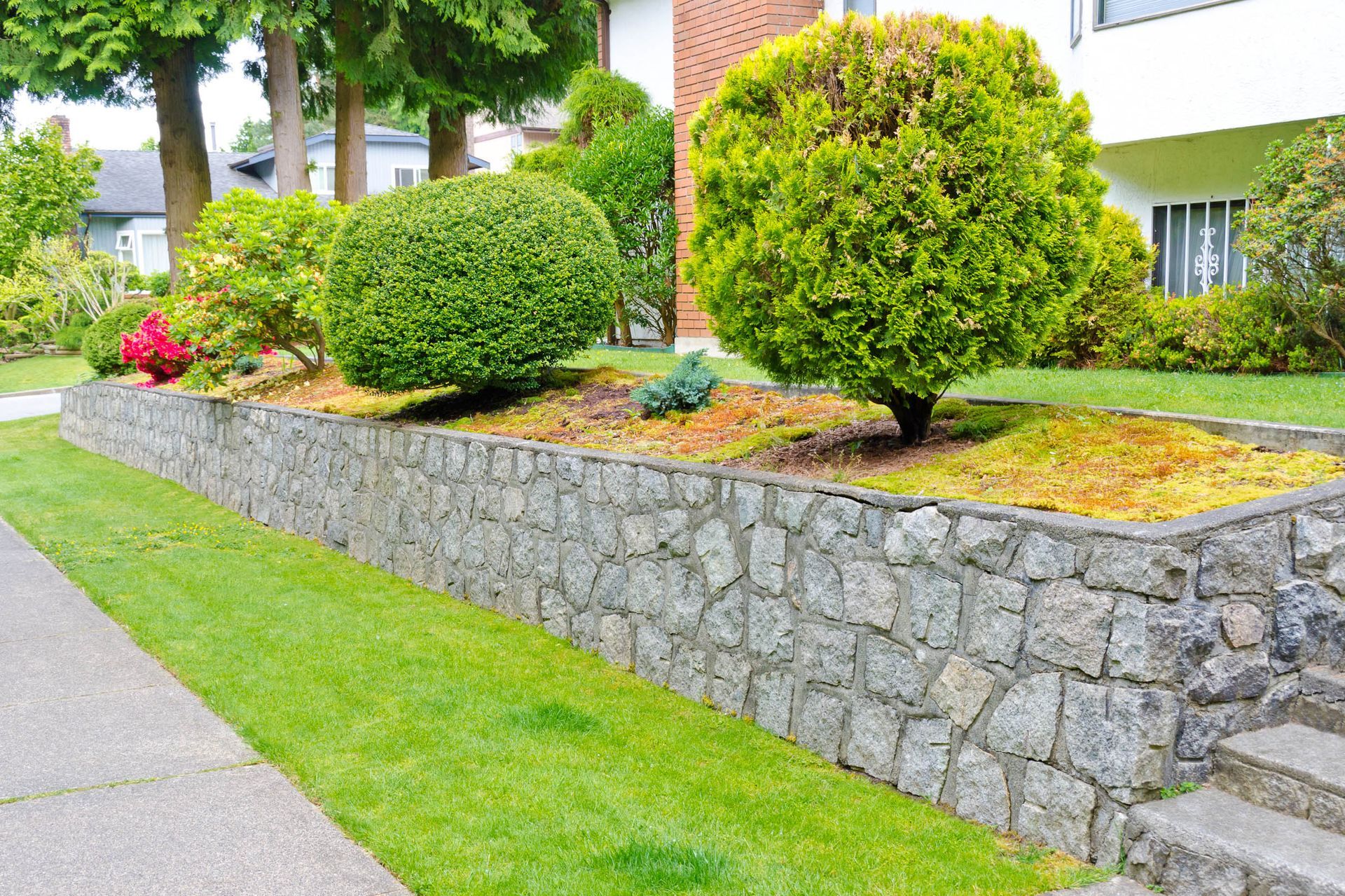
Natural stone is a popular material choice for constructing retaining walls due to its aesthetic appeal and durability. It offers a timeless look that blends beautifully with various landscapes, enhancing the visual allure of outdoor spaces. Stone walls are not only attractive but also capable of enduring severe weather conditions without losing functionality. Employing the expertise of a retaining wall contractor guarantees that the stone is meticulously constructed for maximum benefit.
The construction of stone walls requires precision and skill, as each piece must fit snugly while being level to ensure a stable structure. When considering natural stone, a contractor evaluates aspects such as stone type, size, and arrangement, which are crucial in providing sufficient support and water management capabilities. Furthermore, integrating additional drainage resources like gravel backfill is possible, offering supplementary protection against hydrostatic pressure.
Concrete Blocks
Concrete blocks provide a versatile and practical solution for constructing retaining walls. Known for their strength and adaptability, these blocks can be customized to varying designs and building needs. A retaining wall contractor often recommends concrete due to its cost-effectiveness, ease of installation, and weather resistance. The blocks are available in various sizes and shapes, providing flexibility for creating both small and large-scale projects.
The modular nature of concrete blocks allows for the seamless inclusion of reinforcing elements like steel support and nylon mesh. These additions integrate well to enhance the durability and longevity of the wall, especially in high-pressure situations. Additionally, the surface of concrete blocks can be designed to mimic natural stone, providing a blend of beauty and resilience that appeals to many homeowners.
Retaining walls are an invaluable component in promoting effective drainage and water control in landscapes. This extensive discussion has highlighted how structures such as gravity, cantilever, and anchored walls serve diverse needs by preventing soil erosion, directing water flow, and stabilizing terrains. Key to their success is the insight and expertise offered by retaining wall contractors throughout planning and execution.
Moreover, selecting appropriate materials is critical in balancing structural integrity with visual appeal. Natural stone, concrete blocks, and brick and mortar each offer distinct advantages that a professional contractor assists in aligning with site specifics. These choices, paired with professional installation and maintenance, ensure that retaining walls are both durable and fulfilling, providing sound investments for property owners.
Ultimately, a retaining wall contractor ensures that the construction of these walls meets all regulatory and engineering requirements, further enriching the property's value and resilience. With their assistance, homeowners can confidently tackle drainage challenges while enhancing their exterior designs and maximizing functional land use for years to come. Reach out to Matt Hammond Site Solutions Inc today to see how we can help you!

Share On: