How a Demolition Service Handles Debris Removal and Cleanup
A professional demolition service plays a pivotal role in shaping urban landscapes by carefully dismantling outdated structures. A crucial aspect of this work, often overlooked, is the systematic approach to debris removal and site cleanliness after demolition is complete. This article explores the methods and processes used to effectively manage debris, starting from thorough assessments and continuing through sustainable cleanup operations.
The work involved in demolition extends beyond deconstructing buildings. It includes detailed planning, regulatory compliance, safety preparation, and environmental responsibility. A demolition service must account for worker safety, public protection, debris handling, and the proper separation of materials. Understanding the balance between efficient demolition and environmental stewardship is essential in appreciating the careful work involved.
As urban centers continue to evolve, the demand for reliable demolition work rises, making debris management increasingly important. The right demolition service helps maintain urban integrity while clearing the way for new developments. This article explores the planning, execution, cleanup, recycling, and sustainability practices that support responsible demolition projects from start to finish.
Initial Assessment and Planning
Before undertaking a demolition project, initial assessments and planning set the foundation for a successful operation. Site inspections involve careful evaluation of the structure's stability and surrounding environmental conditions. This includes identifying potential hazards such as asbestos, lead, or other harmful materials. Accurate site assessment is crucial in preventing unexpected complications during the demolition phase. By evaluating these elements, a demolition service can formulate a comprehensive plan to reduce risks and manage resources effectively.
Material identification plays a significant role in the planning stage. Cataloging materials allows crews to determine which items can be safely removed, recycled, salvaged, or handled through special procedures. It is during this phase that recycling opportunities are often identified, supporting more sustainable demolition practices. Effective cataloging also helps with logistical planning by making transportation, storage, and disposal more organized. This step supports informed decision-making throughout the project.
In addition to material identification, logistical planning incorporates strategic decisions about debris removal and transportation. Worker safety and the protection of nearby structures are also priorities, requiring clear safety protocols. This involves procedural guidelines, equipment planning, and proper training for all personnel on-site. Obtaining necessary permits and understanding local regulations are also vital parts of the planning phase. A trusted demolition service uses this preparation to keep the project compliant, efficient, and organized.
Demolition Techniques
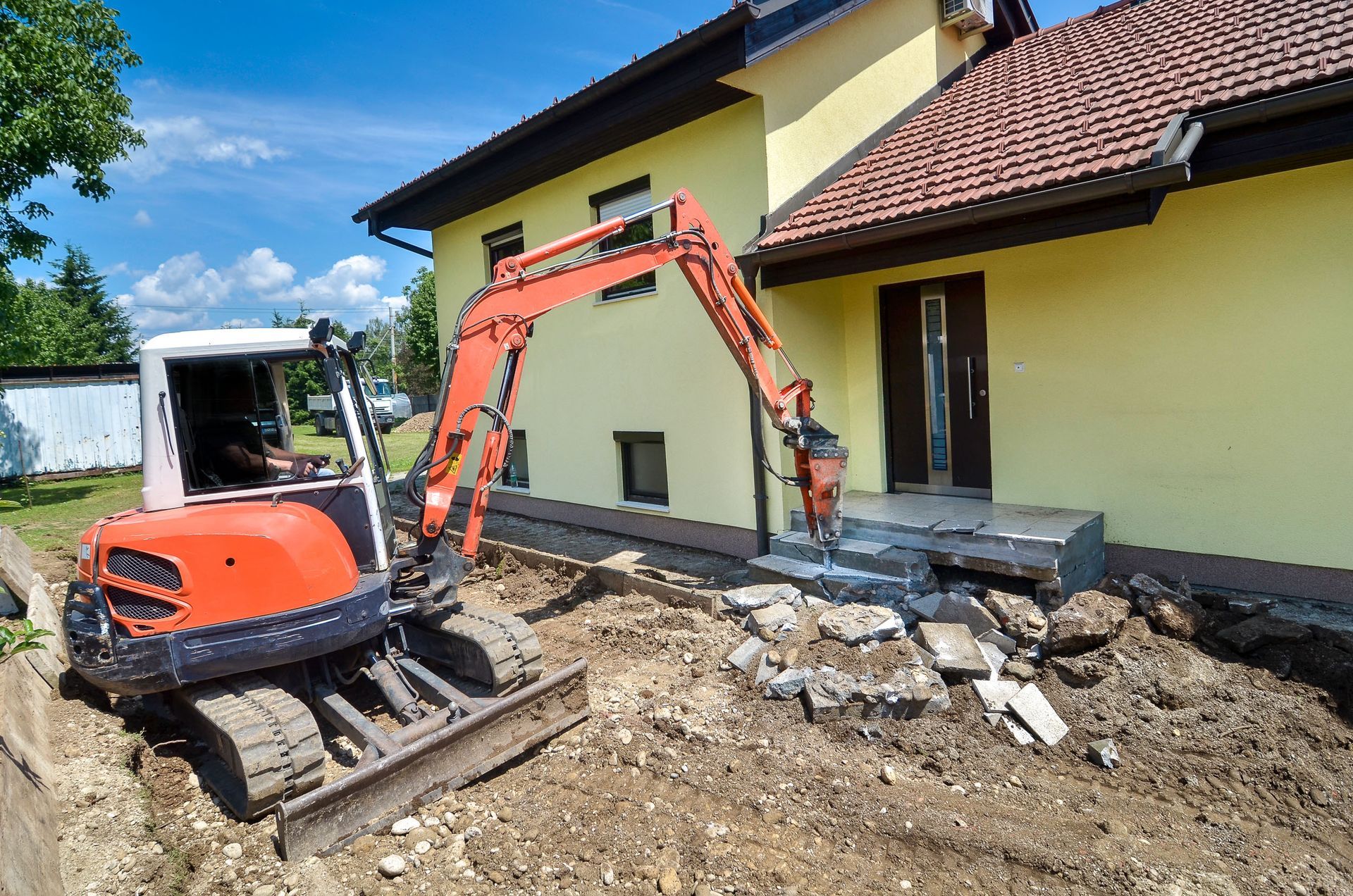
Demolition professionals use a range of techniques tailored to the needs and structure of each project. Selective demolition is one method that focuses on the careful removal of specific areas or materials without disturbing the entire structure. This approach minimizes waste and allows for the salvage and reuse of valuable materials. It is especially useful in urban settings where nearby buildings, sidewalks, utilities, and roadways must be protected. A demolition service may recommend selective demolition when precision and material recovery are top priorities.
Beyond selective demolition, implosion involves the controlled use of explosives to safely and efficiently bring down large structures. This method is dramatic, but it is also carefully planned to protect personnel and surrounding areas. Calculated implosions allow structures to collapse inward, reducing impact on nearby properties. This technique shows how precision engineering can achieve rapid demolition with controlled debris movement. After implosion, mechanical equipment such as excavators and bulldozers is used for additional breakdown and debris collection.
Deconstruction represents another method focused on manual teardown, maximizing material salvage and reducing environmental impact. This labor-intensive process emphasizes the reuse and recycling of building components. In some cases, controlled equipment use may be needed for the precise removal of concrete, steel, or masonry elements. These methods help reduce excessive vibration, noise, and disruption. Modern demolition strategies continue to evolve as companies look for cleaner, safer, and more efficient ways to complete projects.
Debris Sorting
Post-demolition sorting and segregation of debris are critical steps in responsible waste management. On-site segregation involves categorizing debris into recyclable, hazardous, organic, and inert materials. By actively sorting materials at the teardown site, a demolition service can support efficient downstream processing and reduce contamination risks. This approach also aligns with environmental regulations and promotes more sustainable disposal options. On-site segregation shows the importance of planning before the first piece of material is removed.
Recyclability is a key focus during the debris segregation phase. Metal, concrete, wood, and other recoverable materials are separated and often repurposed for future use. These recycling opportunities contribute to resource conservation and may help offset disposal costs. By prioritizing recyclable materials, demolition professionals support a more circular model within the construction and deconstruction industries. Segregation and recycling are important steps in reducing the amount of material sent to landfills.
Handling hazardous waste requires specialized procedures because of its potential to harm human health and the environment. Crews follow strict safety protocols and regulations for the containment, transportation, and disposal of hazardous materials. At the same time, strategies like shredding or crushing can help reduce the volume of inert waste, making transportation and disposal more efficient. According to the Environmental Protection Agency, the U.S. generates approximately 600 million tons of construction and demolition debris annually, underscoring the importance of effective segregation. Comprehensive sorting supports regulatory compliance and environmental protection.
Transportation of Debris
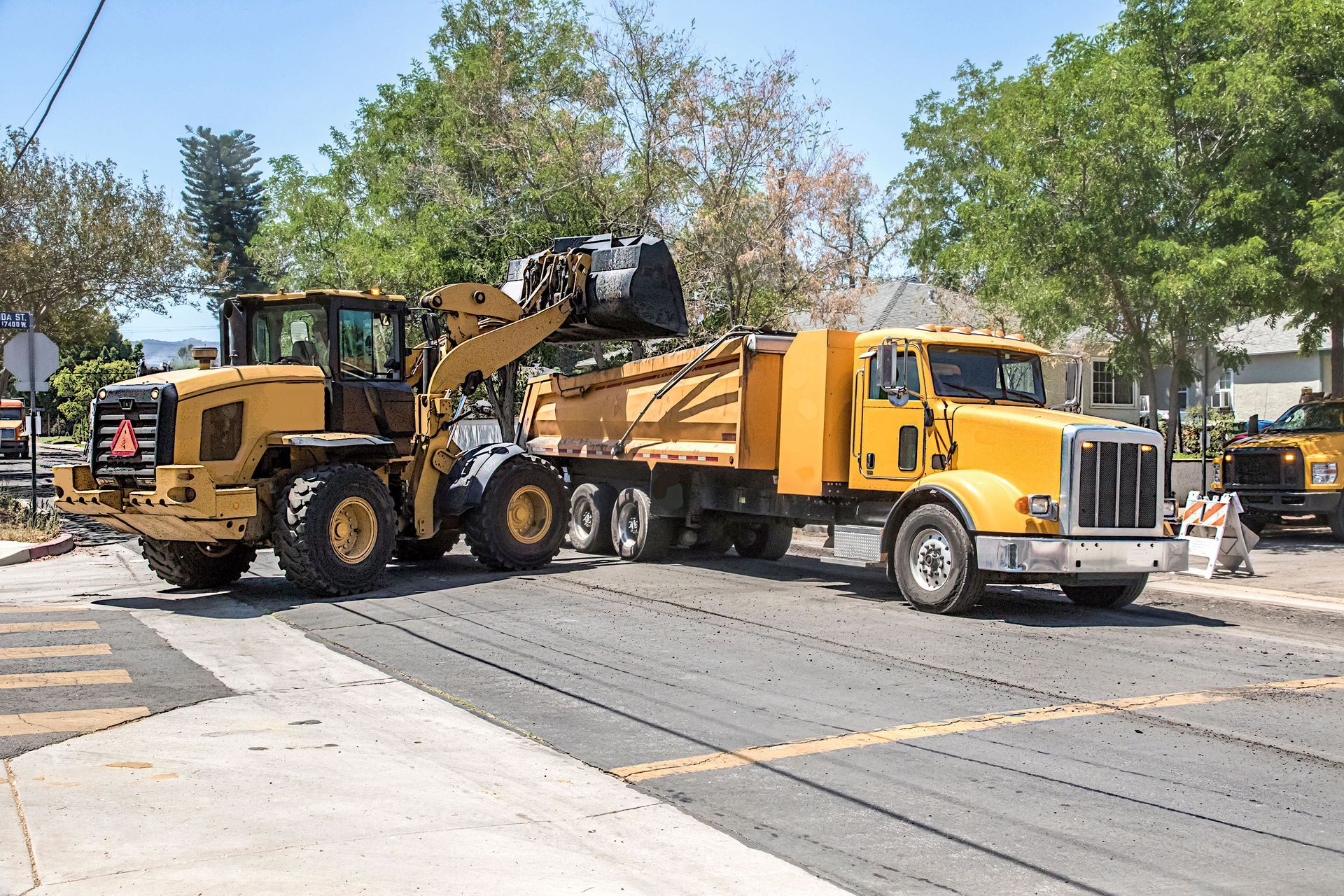
The efficient transportation of debris is a cornerstone of the demolition process and requires careful vehicle selection and route planning. Appropriate vehicles must be chosen based on the type and volume of debris being removed. Specialized haulers may be necessary for hazardous or oversized materials. Route planning is designed to reduce travel time, limit disruption, and account for infrastructure, traffic patterns, and local requirements. A demolition service also considers how transportation choices affect nearby residents, businesses, and public areas.
Load securing is another critical aspect of debris transport. Materials must be stable and safe during transit to prevent spillage, accidents, and damage to public roadways. Secure loading protects drivers, pedestrians, nearby vehicles, and infrastructure along the route. Environmental considerations also matter, including efforts to limit emissions, reduce dust, and minimize noise pollution. By following legal compliance standards, demolition companies show responsibility in waste handling and transport operations.
Legal compliance in debris transport involves strict adherence to transportation laws and waste management regulations. Understanding regional legislation helps companies develop compliant and effective debris removal strategies. Collaboration with regulatory bodies can also help operations proceed smoothly and ethically. Legal alignment strengthens the credibility and reliability of demolition professionals. These transportation strategies support the larger goals of cleanliness, efficiency, safety, and sustainability.
Site Cleanup and Restoration
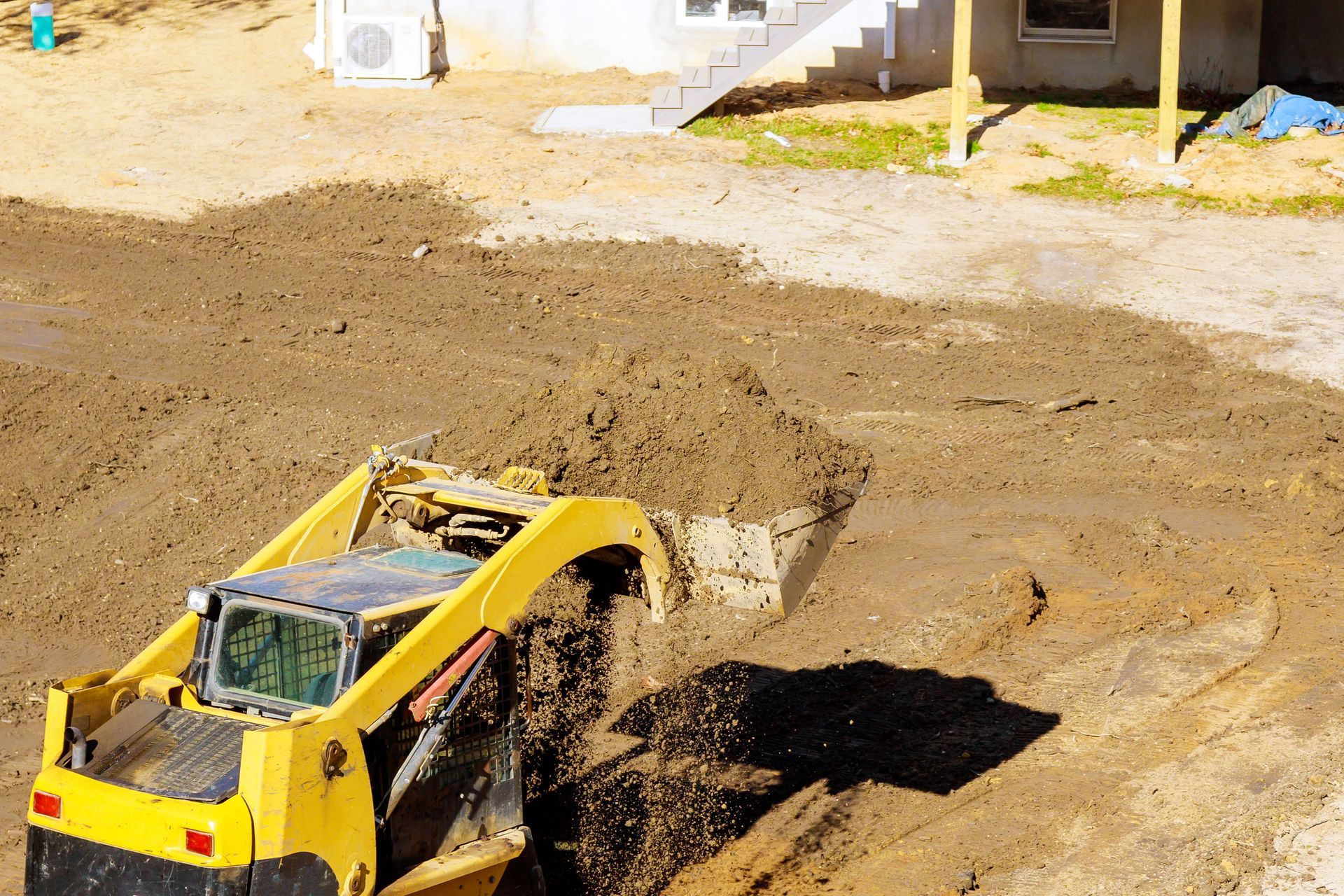
Following the removal of debris, the site cleanup process begins with a focus on surface cleanliness and future safety. Fine debris removal is the initial step, making sure the land surface is free of hazardous remnants and ready for further treatment. This cleanup is important for appearance, but it is also necessary for preparing the site for construction, landscaping, or redevelopment. Ground leveling follows, creating a stable base for future work. A demolition service completes these tasks so the property can move into its next phase with fewer delays.
Effective debris removal and cleanup are crucial components of any demolition project. Choosing a demolition service that prioritizes planning, safety, sorting, recycling, and restoration can make the process more efficient and environmentally responsible. By applying detailed preparation, using the right techniques, and focusing on sustainability, demolition professionals help prepare sites for future development. As the industry continues to evolve, more efficient and environmentally conscious practices will support cleaner communities and smarter redevelopment. Responsible demolition plays an important role in shaping safer, more sustainable urban spaces. Contact Matt Hammond Site Solutions Inc today for more information.


Share On: