Selective Demolition Service vs Full Demolition: What Homeowners Should Know
Every major home renovation or redevelopment project starts with a single foundational phase: clearing out the old to make way for the new. Whether a project involves updating an outdated kitchen, creating an open-concept living area, or completely removing a crumbling structure, the initial tear-down sets the stage for everything that follows. However, many property owners find themselves uncertain about how to approach this critical first phase. Choosing between targeted structural modifications and complete property removal requires a thorough understanding of project scope, structural integrity, long-term goals, and financial investments. Selecting the right demolition contractor can mean the difference between a smooth, efficient renovation and a stressful, delayed project.
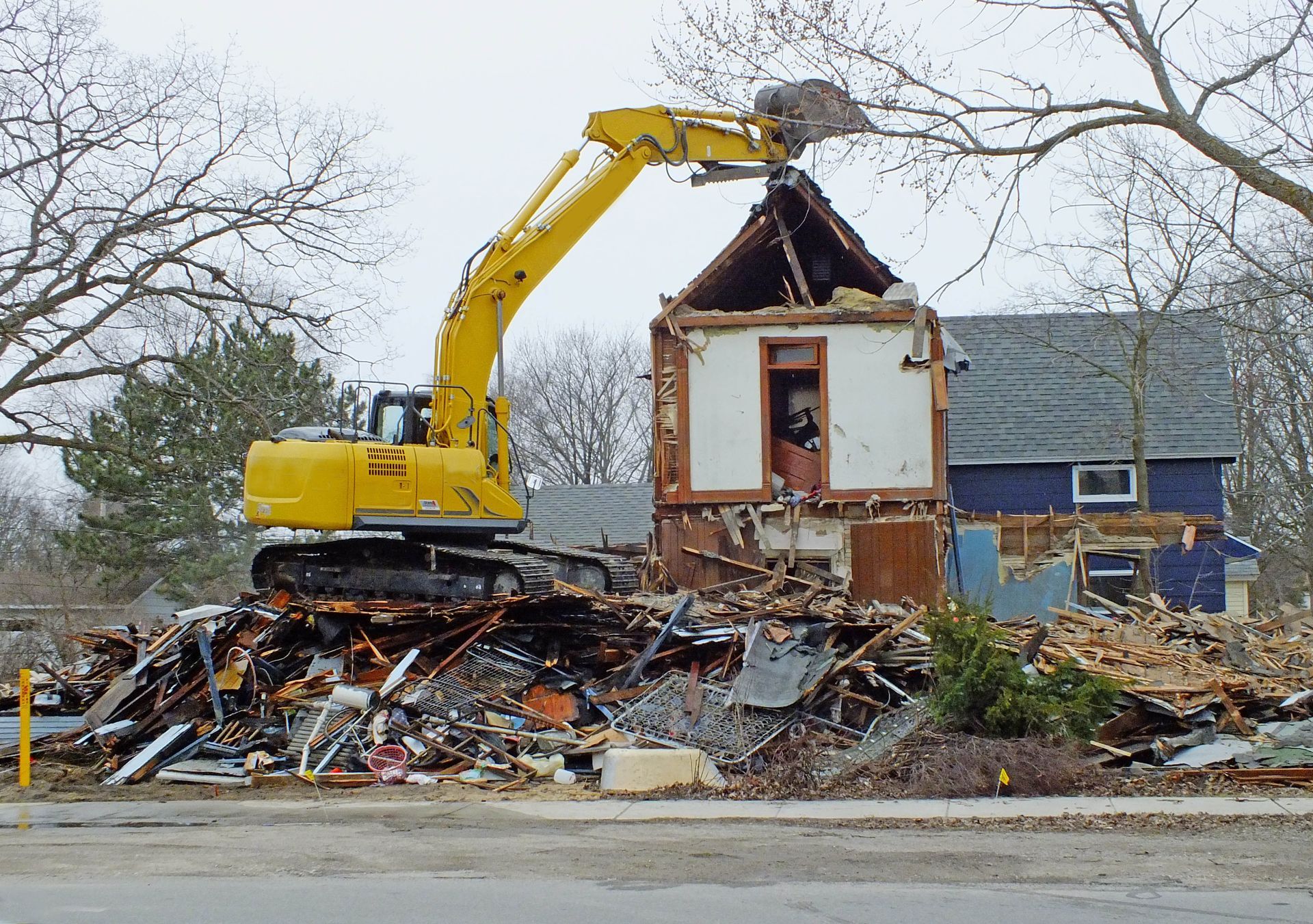
Deciding between selective and full tear-downs involves more than just bringing in heavy machinery to knock down walls. It requires carefully evaluating your property's structural conditions, neighborhood regulations, environmental impact, and overarching design vision. A selective tear-down focuses strictly on removing designated interior or exterior components while preserving the surrounding framing, utilities, and structural supports. Conversely, a complete tear-down wipes the slate clean, clearing the entire parcel of land for a brand-new architectural build.
Assessing Project Scope and Requirements
Evaluating the precise needs of your property is the essential first step when choosing between targeted removal and a complete teardown. For homes with sound foundations, sturdy framing, and historical charm, removing the entire building is often unnecessary and financially impractical. In these scenarios, targeted interior or exterior removals allow property owners to modernize specific utility systems, update floor plans, or replace aging finishes while keeping the core envelope intact. Conversely, if a structure suffers from compromised load-bearing walls, severe foundation failure, or extensive rot, partial updates may only mask deep-seated hazards. Hiring a qualified demolition contractor ensures a thorough structural evaluation, helping you determine whether the existing framework can safely support your planned improvements.
Navigating the logistical parameters of your property also plays a massive role in defining the correct path forward. According to the National Association of Home Builders (NAHB), residential demolition permits in 2025 were 34.2% higher than pre-pandemic levels, indicating heightened redevelopment activity. As such, comprehending these demolition processes becomes indispensable for homeowners involved in renovation projects. Properties located in dense urban neighborhoods or historical districts often face strict lot-line restrictions, shared walls, or preservation mandates that make complete site clearing legally or structurally impossible. In contrast, rural or expansive suburban lots often accommodate heavy machinery more easily, making total site clearing a viable option when comprehensive redevelopment is desired.
Managing Costs and Project Timelines
Budgeting for residential modifications requires looking beyond simple upfront estimates to evaluate overall project value. Targeted structural removals typically feature lower material disposal fees and reduced machinery costs, making them a budget-friendly option for localized upgrades. However, because partial teardowns demand delicate precision, manual labor hours can quickly accumulate if the workspace is cramped or intricate. Complete teardowns carry higher initial price tags due to extensive site clearance, heavy equipment operation, and large-scale waste hauling. Yet, for property owners planning a ground-up build, starting with a totally clear lot can streamline subsequent framing and foundation work, ultimately lowering overall construction costs per square foot.
Timeline expectations must also be carefully balanced against project complexity and site preparation demands. Partial removals generally allow for faster project turnover, enabling trade professionals to begin electrical, plumbing, and drywall installation within specific zones of the home almost immediately. This rapid turnaround minimizes overall lifestyle disruption and helps keep multi-phase renovation schedules moving forward seamlessly. Total property clearings, on the other hand, demand lengthier permitting processes, utility disconnections, and site grading phases before vertical construction can even begin. Working closely with an experienced demolition contractor helps establish realistic timelines, ensuring every phase of removal and site preparation aligns with your general contractor's schedule.
Environmental Impacting and Waste Minimization
Prioritizing sustainable building practices has become a central focus for modern homeowners and residential developers alike. Selective removal inherently supports environmental sustainability by preserving a property's existing structural framework and drastically reducing landfill waste. During targeted tear-downs, building components such as solid wood beams, architectural trim, vintage brick, and high-value metal fixtures can be carefully salvaged, sorted, and repurposed. This practice not only diverts tons of debris away from regional waste management facilities but also lowers the carbon footprint associated with manufacturing and transporting brand-new building materials to your job site.
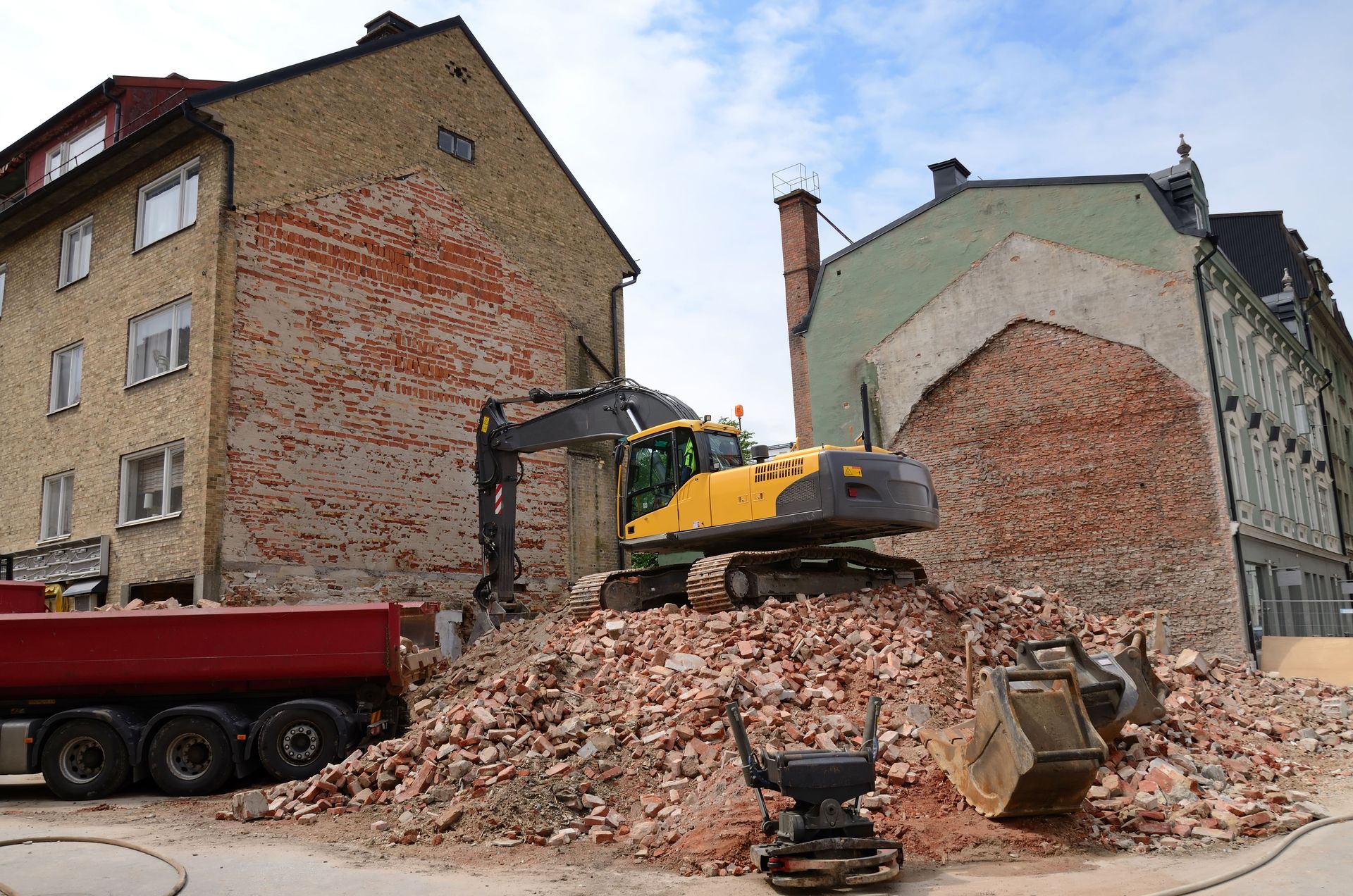
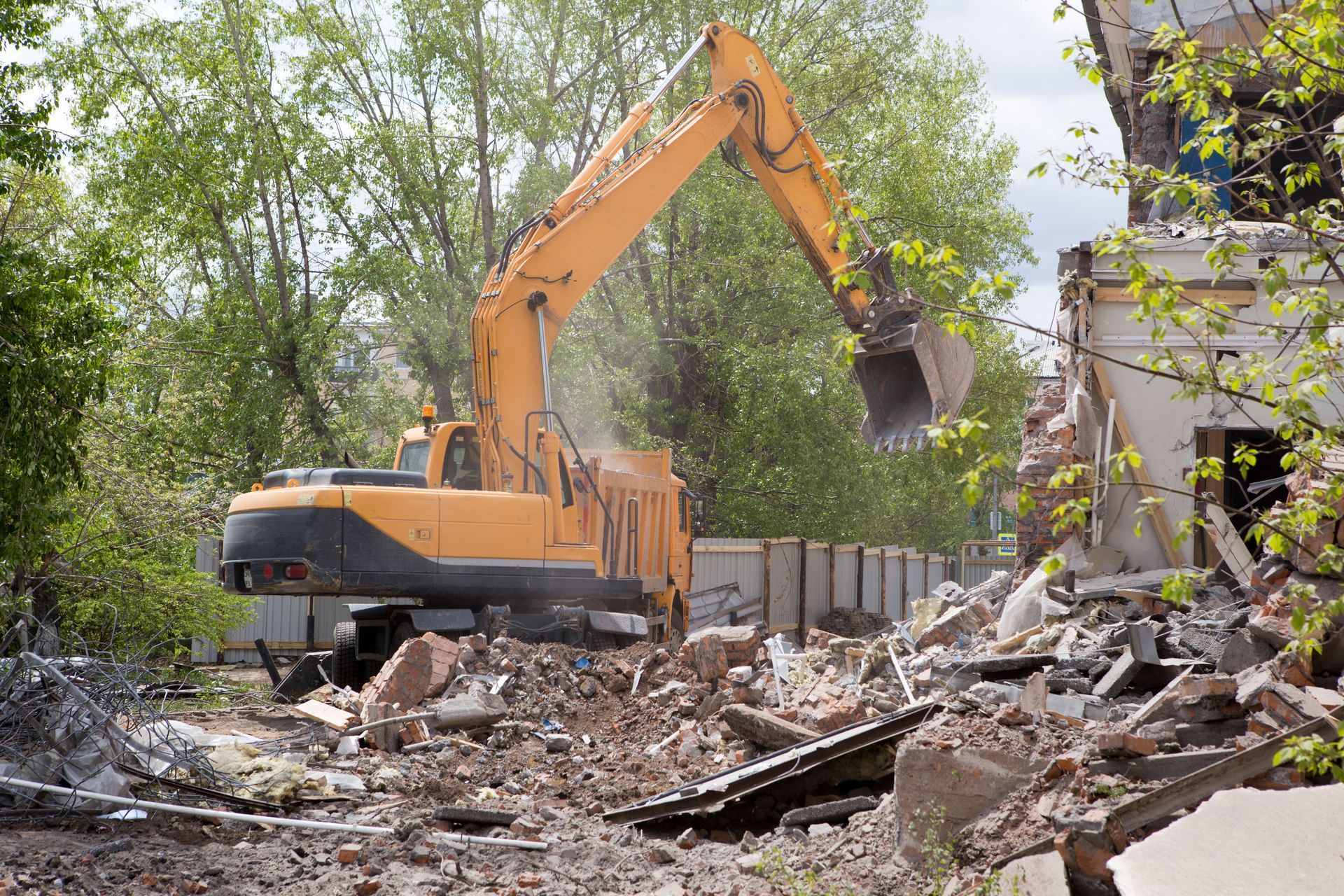
Managing waste during a complete structural clearance requires an equally strategic and environmentally conscious approach. While full site clearings naturally generate a substantially higher volume of waste, modern recycling protocols allow a massive percentage of these materials to be reclaimed. Concrete foundations, masonry walls, and asphalt paving can be crushed on-site or at specialized facilities to serve as foundational fill for future construction projects. Furthermore, structural steel, copper piping, and electrical wiring are routinely separated and sent to scrap recycling centers. Choosing an environmentally responsible partner ensures that discarded building materials are processed according to strict municipal waste diversion guidelines.
Mitigating Hazards and Prioritizing Safety
Maintaining rigorous safety standards is paramount during any level of residential structural removal. Older homes frequently contain hazardous substances such as asbestos insulation, lead-based paint, and synthetic mineral fibers that pose severe health risks if disturbed without proper containment. Prior to commencing any physical tear-down, professional environmental testing must be conducted to identify toxic substances throughout the workspace. Certified hazardous material specialists must then isolate the area, utilize negative air pressure systems, and safely remove contaminated materials before general tear-down activities can begin.
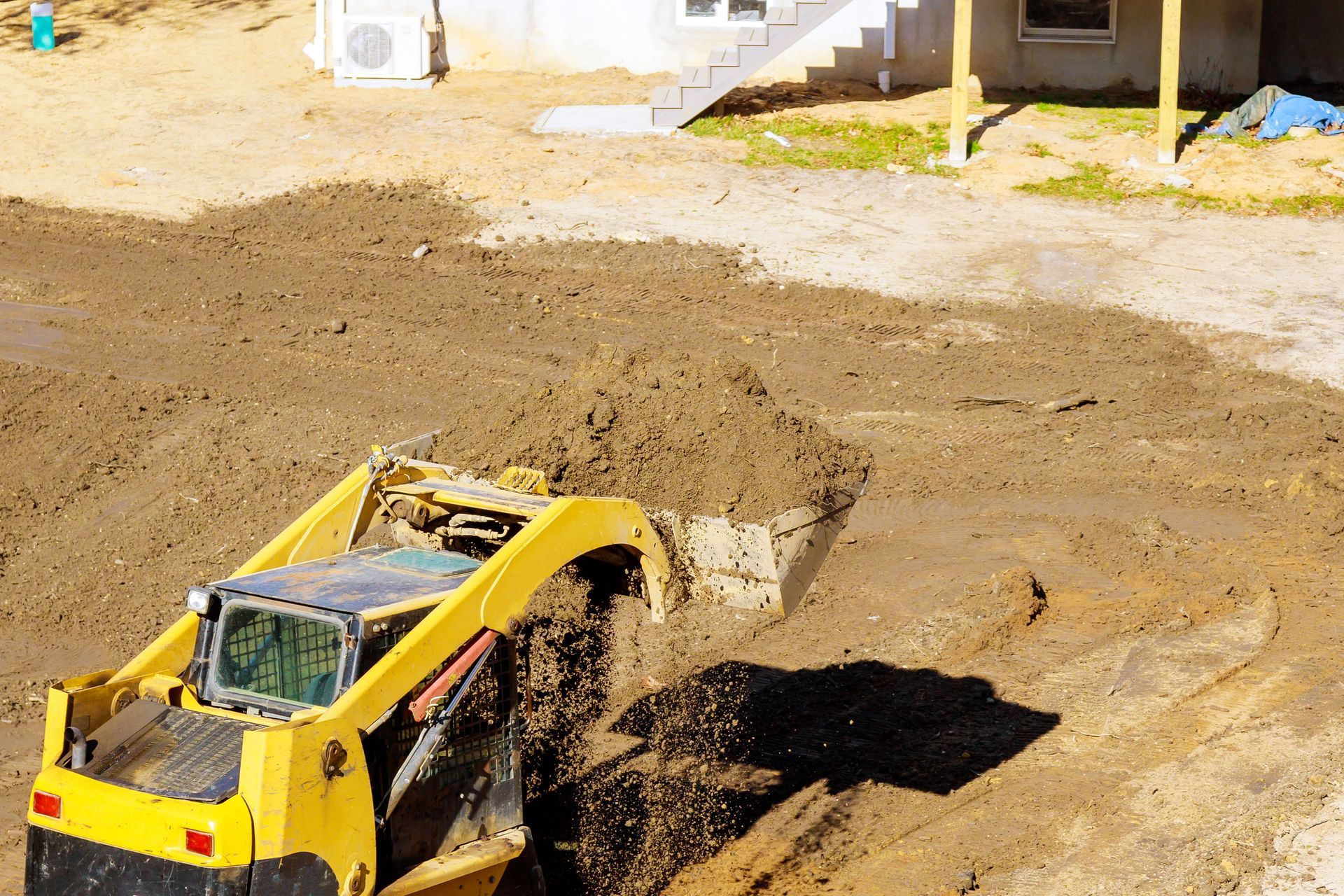
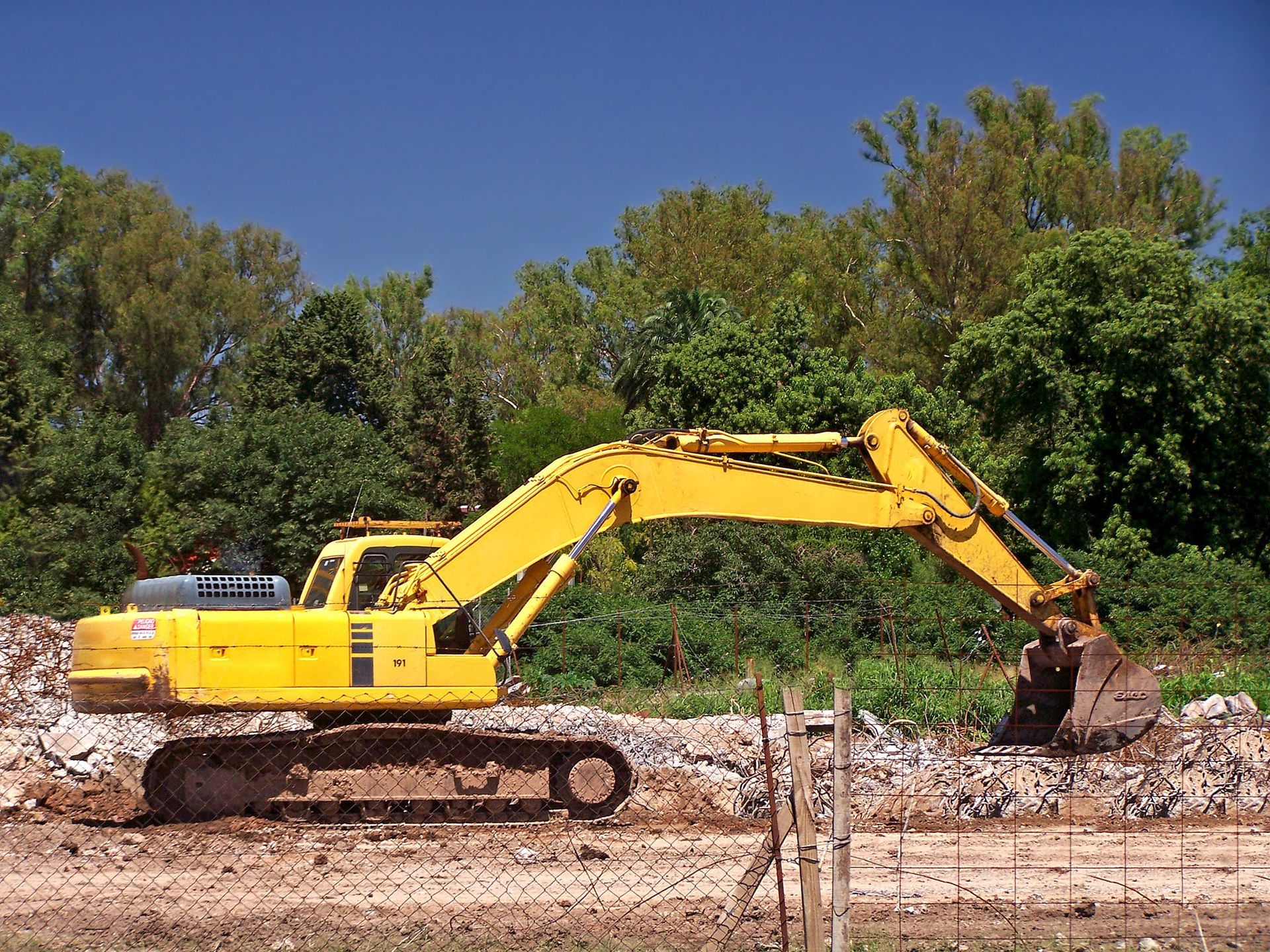
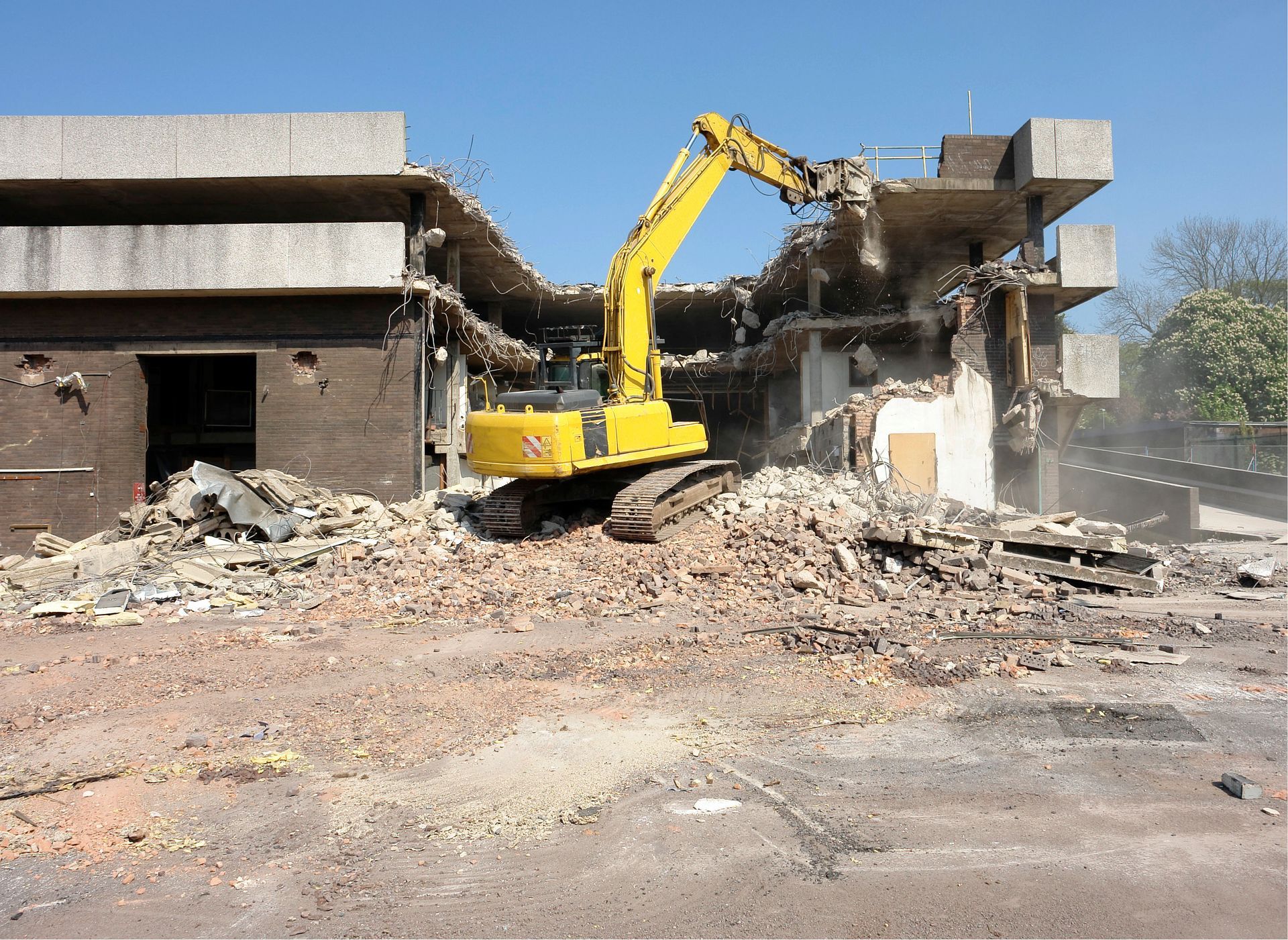
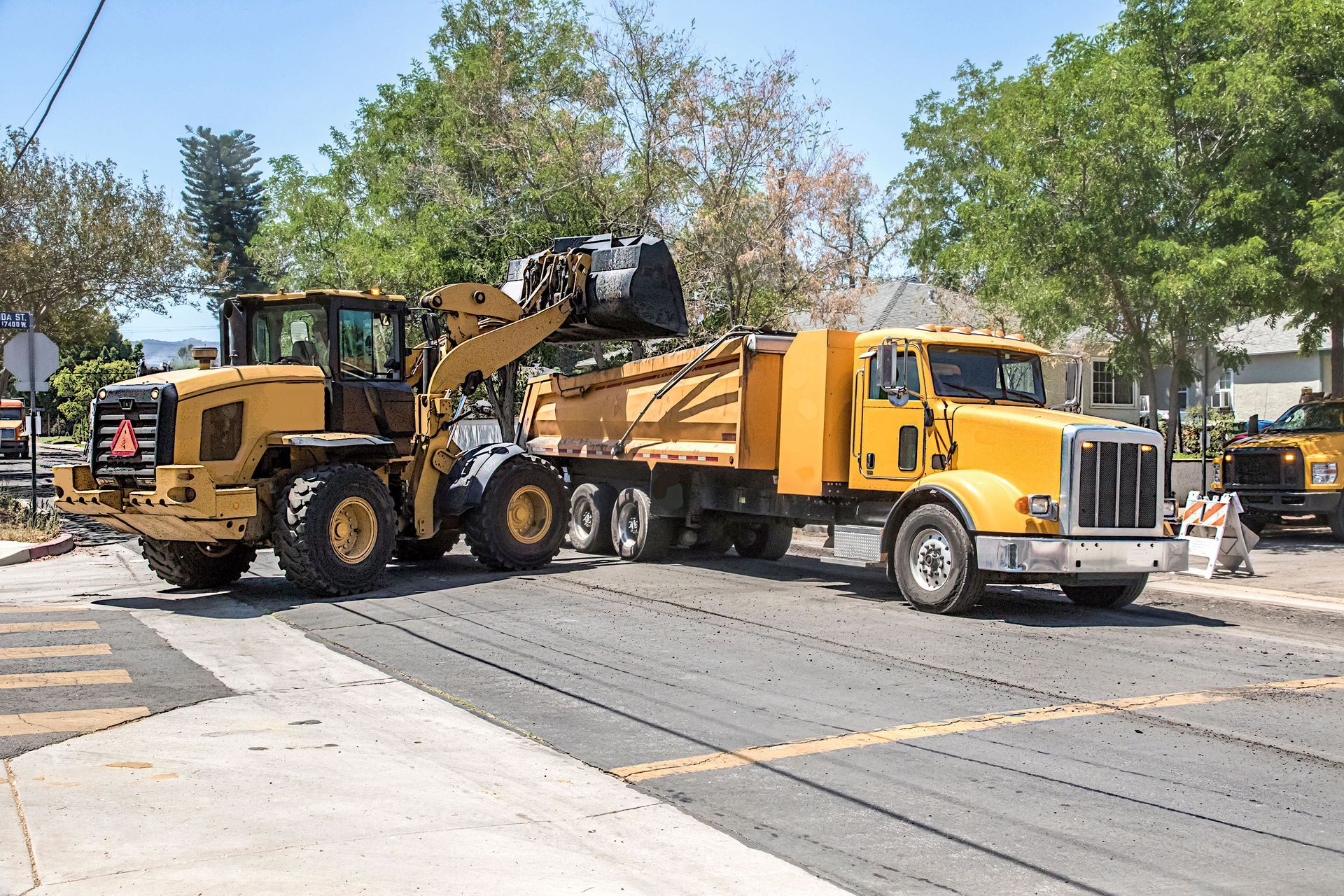
Protecting the physical safety of workers, occupants, and neighboring properties demands rigorous site management and specialized equipment. Partial structural removals require temporary shoring, load-bearing supports, and protective barriers to prevent accidental collapses and control dust movement into living spaces. Complete property tear-downs involve operating massive excavators, wrecking equipment, and heavy hauling trucks within restricted residential spaces. Engaging a fully licensed and insured demolition contractor guarantees that all work complies with Occupational Safety and Health Administration regulations, local building codes, and strict site containment protocols, effectively safeguarding your investment and surrounding community.
Selecting Qualified Industry Professionals
Partnering with the right commercial or residential specialist is the single most critical decision you will make during the planning phase of your project. High-quality removal work demands specialized engineering knowledge, advanced equipment, precise execution, and comprehensive risk management capabilities. Property owners should thoroughly vet prospective candidates by verifying state licensure, confirming active general liability and worker's compensation insurance, and reading verified client reviews. Additionally, requesting detailed project proposals helps ensure transparent pricing structures, clear scopes of work, and established timeline expectations without hidden fees.
Asking targeted questions during the initial consultation helps gauge a company's technical capability and commitment to professional standards. Inquire about their experience with similar residential projects, their approach to waste recycling and material salvage, and their protocols for handling unexpected structural or environmental complications. A reputable company will readily provide proof of credentials, detail their safety track record, and offer a clear communication plan for the duration of the job. Establishing a professional, transparent relationship from the outset ensures your site preparation is handled efficiently, safely, and in total alignment with your overall renovation goals.
Navigating the choice between selective structural removal and complete property clearing is a pivotal step in achieving your residential renovation or redevelopment vision. Selective tear-downs offer a precise, cost-effective, and eco-friendly solution for updating specific areas of a home while preserving its core character and foundational integrity. Full site clearings provide an unconstrained, clean slate for ambitious ground-up custom builds, eliminating the hassle of working around aging structural limitations.
Ultimately, executing either removal strategy safely and efficiently requires the knowledge, heavy machinery, and precision of proven industry experts. Partnering with a skilled demolition contractor guarantees that hazardous materials are handled responsibly, local permitting laws are strictly satisfied, and site preparation is completed on schedule. Whether you need surgical interior removals to open up your living space or a total site teardown to build your dream home, professional guidance ensures a seamless transition into construction. Take the first step toward transforming your home today by contacting Matt Hammond Site Solutions Inc for a personalized consultation and project quote!



Share On: